
 Se connecter / Créer un compte

Why Watermelon Puzzles Are So Oddly Satisfyingand How to Master Them

If you've scrolled through social media lately, you've probably seen someone celebrating an absurdly large watermelon appearing on their screen. No, they're not gardening. They're playing a deceptively simple puzzle game that's taken the internet by storm. Watermelon puzzles represent a fascinating intersection of casual gaming and strategic thinking, offering the kind of satisfaction that keeps you coming back for "just one more run." Let's explore what makes these games tick and how you can get better at them.
What Makes Watermelon Puzzles So Addictive?
Watermelon puzzles are a spin on classic merging mechanics, where the goal is to combine identical fruits to create progressively larger ones. The core premise is straightforward: drop fruits into a box, match them together, and watch them evolve into bigger versions. On the surface, it sounds simple. But there's a hidden complexity that emerges once you start playing.
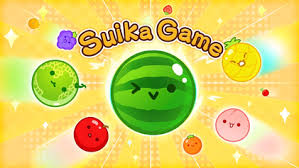
The genius lies in the tension between freedom and constraint. You can place fruits wherever you want, but the box is limited. It's not about reflexes or reaction time—it's about foresight and spatial reasoning. You need to think several moves ahead, considering not just your next placement but how it'll affect your options down the line. This combination of accessible gameplay with genuine strategic depth is why games like Suika Game have become so popular across different age groups and gaming backgrounds.
Understanding the Basic Gameplay
The mechanics of a watermelon puzzle are elegant in their simplicity. You're given a small box—usually a vertical container—and fruits start dropping in from the top. Each fruit has a level: strawberries at the beginning, then grapes, tangerines, oranges, and so on, all the way up to the coveted watermelon. When two identical fruits collide, they merge into the next fruit level.
Your only control is horizontal positioning. You decide where each falling fruit lands, but gravity does the rest. This limited control is actually what creates the puzzle element. Unlike match-three games where you can move pieces around freely, watermelon puzzles demand that you plan ahead. A fruit dropped in the wrong spot doesn't just fail to make a match—it can block future combinations or create awkward gaps in your stack.
The ultimate goal is to reach the watermelon, the final fruit form. Some versions challenge you to create multiple watermelons, while others require you to achieve a certain score or reach specific milestones. The psychological reward of watching your careful planning pay off with a successful merge is surprisingly powerful.
Strategic Tips for Getting Better
Think Vertically, Not Just Horizontally
It's tempting to spread fruits across the box, but vertical stacking is your friend. Try to create columns where matching pairs naturally fall together. Keep your box somewhat organized, and you'll have more options for future placements.
Plan for the Inevitable Chaos
You can't control what fruits drop next—that's randomized. So instead of getting frustrated by an inconvenient fruit, accept it and adapt. The best players develop flexibility, rearranging their mental strategy to fit whatever the game throws at them.
Manage Your Space Ruthlessly
A full box is a losing box. Always be thinking about your space situation. If you're running low on room, you need to be merging fruits more aggressively rather than holding onto small fruits waiting for the "perfect" moment.
Study Your Fruit Chain
Memorize what merges into what. Understanding that five small apples can eventually become one watermelon (through a series of merges) helps you see the bigger picture and stay motivated during the early game when progress feels slow.
Know When to Sacrifice
Sometimes you'll have two nearly-merged fruits separated by another piece. It might be worth letting a smaller combination fail to clear space and set yourself up for bigger plays later. It's a game about long-term gains, not every small victory.
The Joy Beyond Competition
What's refreshing about watermelon puzzles is that they don't have a leaderboard mentality (at least not the good versions). There's no pressure to beat someone else's score. The satisfaction comes from beating your own best, from finally creating that watermelon you've been working toward, from discovering a new strategy that works better than your last approach.
The games are perfect for relaxing gaming sessions. You can play while watching TV, during a break at work, or as a wind-down before bed. They engage your brain just enough to be satisfying but not so much that they create stress.
Final Thoughts
Watermelon puzzles, especially Suika Game, represent something special in casual gaming: a genuinely clever game mechanic wrapped in a charming package. They prove that you don't need flashy graphics, complex rules, or competitive pressure to create something compelling. Sometimes all you need is a box, some fruits, and the satisfying pop of a successful merge.
If you haven't tried one yet, give it a shot. You might surprise yourself with how quickly you get hooked. And if you're already playing, use these tips to push your high score a little higher. Happy merging.
 Publié le
13 aout 2026 à 06h53
13/08/26
par
Metcalfe
Publié le
13 aout 2026 à 06h53
13/08/26
par
Metcalfe


Commentaires des lecteurs
-
Soyez le premier à commenter cet article
INSERER UN COMMENTAIRE
Votre adresse ip (216.73.217.78) ne se trouve pas en France vous devez créer un compte Freezone et être connecté afin de pouvoir poster un commentaire.
Copyright © 2026 - Freezone - Tous droits réservés.
Retrouvez nous sur :


Site développé par JP Legal et Vincent Barrier et Anthony Demangel
Freezone n'a aucun lien avec la société Iliad / Free